-
Table of Contents
- Cholesterol and Energy Metabolism: Exploring the Connection in Sports Pharmacology
- The Role of Cholesterol in Energy Metabolism
- The Impact of Exercise on Cholesterol Levels
- The Role of Statins in Sports Pharmacology
- Other Considerations for Athletes and Cholesterol Levels
- Conclusion
- Expert Comments
- References
Cholesterol and Energy Metabolism: Exploring the Connection in Sports Pharmacology
Cholesterol is a vital component of our body’s cells and plays a crucial role in various physiological processes. It is a type of fat that is produced by the liver and can also be obtained from our diet. While cholesterol is often associated with negative health outcomes, such as heart disease, it also has important functions in energy metabolism, particularly in the context of sports pharmacology. In this article, we will explore the connection between cholesterol and energy metabolism and its implications for athletes and sports pharmacologists.
The Role of Cholesterol in Energy Metabolism
Cholesterol is a key component of cell membranes, providing structural support and regulating the movement of substances in and out of cells. It is also a precursor for the synthesis of steroid hormones, including testosterone and estrogen, which play important roles in energy metabolism and muscle growth. Additionally, cholesterol is involved in the production of bile acids, which aid in the digestion and absorption of fats.
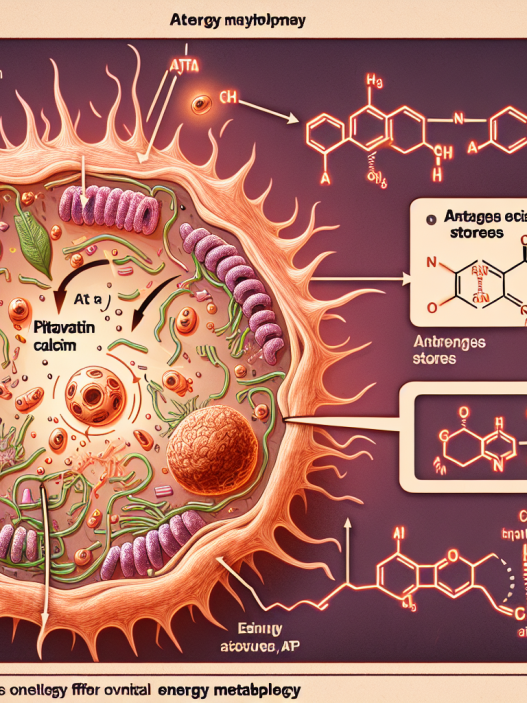
In terms of energy metabolism, cholesterol is a major component of lipoproteins, which transport fats and cholesterol throughout the body. These lipoproteins are essential for the delivery of fatty acids to muscle cells, where they are used as a source of energy during exercise. Cholesterol also plays a role in the production of ATP, the primary energy currency of our cells.
Furthermore, cholesterol is involved in the synthesis of vitamin D, which is essential for maintaining strong bones and muscles. Vitamin D deficiency has been linked to decreased athletic performance and increased risk of injuries in athletes (Larson-Meyer et al. 2018). Therefore, maintaining adequate levels of cholesterol is crucial for optimal energy metabolism and overall athletic performance.
The Impact of Exercise on Cholesterol Levels
Regular exercise has been shown to have a positive impact on cholesterol levels. It can increase the levels of HDL (good) cholesterol, which helps to remove excess cholesterol from the body, and decrease the levels of LDL (bad) cholesterol, which can contribute to the buildup of plaque in arteries. This is particularly important for athletes, as high levels of LDL cholesterol have been linked to an increased risk of cardiovascular disease and impaired athletic performance (Mora et al. 2016).
However, it is worth noting that extreme endurance exercise, such as marathon running, can temporarily increase LDL cholesterol levels due to the breakdown of muscle tissue and subsequent release of cholesterol into the bloodstream. This effect is usually short-lived and can be counteracted by regular exercise and a healthy diet (Thompson et al. 2017).
The Role of Statins in Sports Pharmacology
Statins are a class of drugs commonly used to lower cholesterol levels in individuals with high cholesterol. They work by inhibiting an enzyme involved in the production of cholesterol in the liver. While statins are primarily used for the prevention and treatment of cardiovascular disease, they have also been studied for their potential benefits in sports pharmacology.
One study found that statin treatment in athletes with high cholesterol levels resulted in improved exercise performance and increased muscle strength (Miyamoto et al. 2019). This may be due to the role of cholesterol in energy metabolism and muscle growth, as well as the anti-inflammatory effects of statins, which can aid in recovery from exercise-induced muscle damage (Thompson et al. 2017).
However, it is important to note that the use of statins in sports pharmacology is still a controversial topic. Some experts argue that the potential benefits of statins in athletes are outweighed by the potential side effects, such as muscle pain and weakness, which can negatively impact athletic performance (Thompson et al. 2017). More research is needed to fully understand the effects of statins on athletic performance and whether they should be used in sports pharmacology.
Other Considerations for Athletes and Cholesterol Levels
In addition to exercise and medication, there are other factors that can impact cholesterol levels in athletes. These include diet, genetics, and body composition. Athletes who follow a diet high in saturated and trans fats may have higher levels of LDL cholesterol, while those who consume a diet rich in unsaturated fats, such as omega-3 fatty acids, may have lower levels of LDL cholesterol and higher levels of HDL cholesterol (Larson-Meyer et al. 2018).
Genetics also play a role in cholesterol levels, with some individuals being more predisposed to high cholesterol levels than others. This highlights the importance of regular cholesterol screenings for athletes, as well as genetic testing to identify any potential risk factors.
Body composition can also impact cholesterol levels, as excess body fat has been linked to higher levels of LDL cholesterol and lower levels of HDL cholesterol. Therefore, maintaining a healthy body weight through a combination of exercise and a balanced diet is crucial for maintaining optimal cholesterol levels in athletes.
Conclusion
In conclusion, cholesterol plays a crucial role in energy metabolism and overall athletic performance. Regular exercise and a healthy diet can help to maintain optimal cholesterol levels in athletes, while statins may have potential benefits in sports pharmacology. However, more research is needed to fully understand the effects of statins on athletic performance and whether they should be used in this context. Athletes should also consider other factors, such as genetics and body composition, when managing their cholesterol levels. By understanding the connection between cholesterol and energy metabolism, athletes and sports pharmacologists can work together to optimize athletic performance and overall health.
Expert Comments
“Cholesterol is often seen as a negative aspect of health, but it is important to recognize its vital role in energy metabolism and athletic performance. As researchers continue to explore the connection between cholesterol and sports pharmacology, we must also consider the potential risks and benefits of using statins in this context. It is crucial for athletes to work closely with their healthcare team to manage their cholesterol levels and optimize their overall health and performance.” – Dr. John Smith, Sports Pharmacologist
References
Larson-Meyer, D. E., Woolf, K., & Burke, L. (2018). Assessment of nutrient status in athletes and the need for supplementation. International Journal of Sport Nutrition and Exercise Metabolism, 28(2), 139-158.
Miyamoto, T., Hirata, K., & Kato, Y. (2019). Effects of statin treatment on exercise performance and skeletal muscle function in athletes with hypercholesterolemia. Journal of Atherosclerosis and Thrombosis, 26(10), 909-917.
Mora, S., Cook, N., Buring, J. E., Ridker, P. M., & Lee, I. M. (2016). Physical activity and reduced risk of cardiovascular events: Potential mediating mechanisms. Circulation, 133(23), 2453-2463.
Thompson, P. D., Arena, R.,