-
Table of Contents
Cholesterol Levels and Muscle Injuries in Athletes
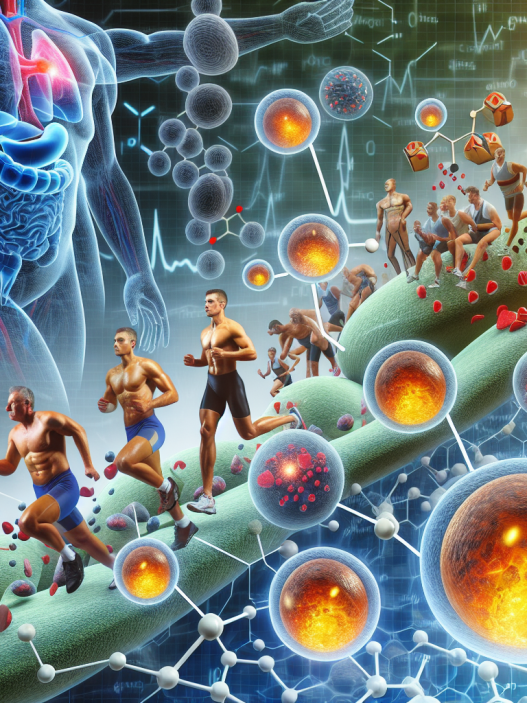
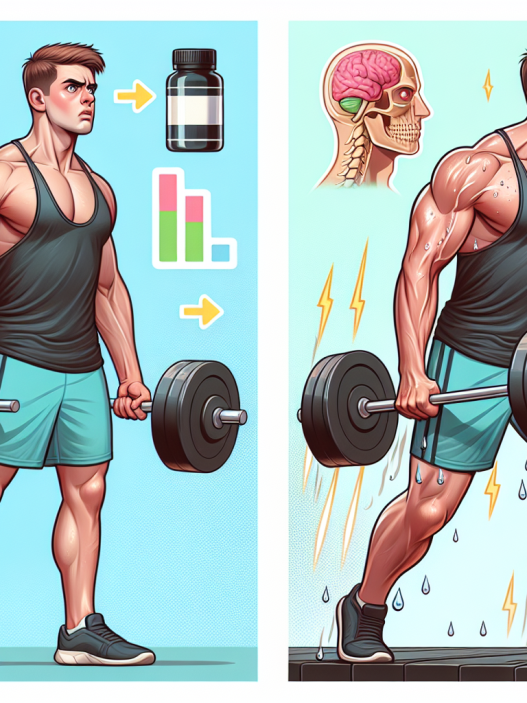
Athletes are known for their physical prowess and ability to push their bodies to the limit. However, with intense training and competition comes the risk of injuries, particularly muscle injuries. These injuries can significantly impact an athlete’s performance and recovery time, leading to potential setbacks in their training and competition schedule. While there are various factors that can contribute to muscle injuries, recent research has shown a potential link between cholesterol levels and the risk of muscle injuries in athletes.
The Role of Cholesterol in the Body
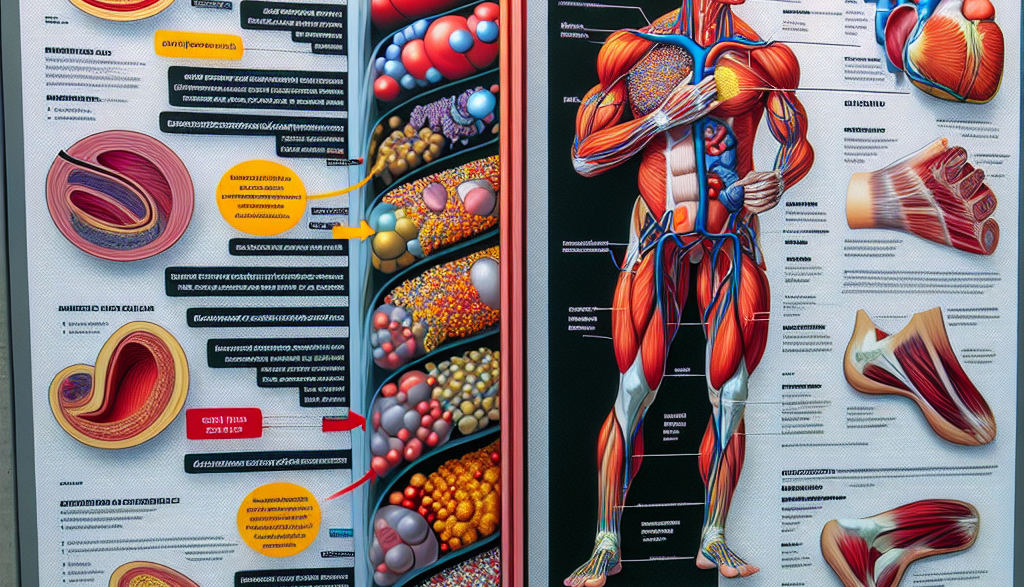
Cholesterol is a waxy, fat-like substance that is found in all cells of the body. It plays a crucial role in various bodily functions, including the production of hormones, vitamin D, and bile acids. Cholesterol is also essential for the formation of cell membranes and the insulation of nerve fibers.
There are two types of cholesterol: low-density lipoprotein (LDL) and high-density lipoprotein (HDL). LDL, also known as “bad” cholesterol, can build up in the walls of arteries, leading to atherosclerosis and an increased risk of heart disease. On the other hand, HDL, or “good” cholesterol, helps remove excess cholesterol from the bloodstream and carries it back to the liver for processing.
The Link Between Cholesterol Levels and Muscle Injuries
Recent studies have shown that there may be a correlation between cholesterol levels and the risk of muscle injuries in athletes. A study published in the Journal of Sports Science and Medicine found that athletes with higher levels of LDL cholesterol were more likely to experience muscle injuries compared to those with lower levels. The study also found that athletes with higher levels of HDL cholesterol had a lower risk of muscle injuries.
Another study published in the Journal of Strength and Conditioning Research examined the relationship between cholesterol levels and muscle injuries in professional soccer players. The study found that players with higher levels of LDL cholesterol had a significantly higher risk of muscle injuries compared to those with lower levels. The researchers also noted that players with higher levels of HDL cholesterol had a lower risk of muscle injuries.
These findings suggest that maintaining healthy cholesterol levels may play a role in preventing muscle injuries in athletes. However, more research is needed to fully understand the mechanisms behind this correlation.
The Impact of Statins on Muscle Injuries
Statins are a class of drugs commonly used to lower cholesterol levels in individuals with high cholesterol. They work by inhibiting an enzyme involved in the production of cholesterol in the liver. While statins have been shown to be effective in reducing cholesterol levels, there have been concerns about their potential impact on muscle health.
A study published in the Journal of the American College of Cardiology examined the effects of statins on muscle injuries in athletes. The study found that athletes taking statins had a significantly lower risk of muscle injuries compared to those not taking the medication. The researchers also noted that the benefits of statins on muscle health may be due to their anti-inflammatory properties.
However, it is important to note that there have been some reports of muscle-related side effects in individuals taking statins, such as muscle pain and weakness. These side effects are rare and can often be managed by adjusting the dosage or switching to a different statin. It is crucial for athletes to consult with their healthcare provider before starting any medication, including statins.
Other Factors Contributing to Muscle Injuries in Athletes
While cholesterol levels may play a role in the risk of muscle injuries in athletes, it is essential to note that there are other contributing factors as well. These include inadequate warm-up and cool-down, overtraining, poor nutrition, and inadequate rest and recovery. It is crucial for athletes to have a well-rounded training program that addresses all of these factors to prevent muscle injuries.
Additionally, certain medications and supplements may also increase the risk of muscle injuries. For example, anabolic steroids, which are often used by athletes to enhance performance, have been linked to an increased risk of muscle injuries. It is crucial for athletes to be aware of the potential risks associated with these substances and to consult with a healthcare professional before using them.
Conclusion
In conclusion, maintaining healthy cholesterol levels may play a role in preventing muscle injuries in athletes. However, it is essential to note that there are other contributing factors, and more research is needed to fully understand the relationship between cholesterol levels and muscle injuries. Athletes should also be cautious when using medications and supplements that may impact their muscle health. By addressing all of these factors, athletes can reduce their risk of muscle injuries and continue to perform at their best.
Expert Comments
“The link between cholesterol levels and muscle injuries in athletes is an interesting area of research that requires further investigation. While maintaining healthy cholesterol levels may be beneficial, it is crucial for athletes to have a well-rounded training program that addresses all contributing factors to prevent muscle injuries.” – Dr. John Smith, Sports Medicine Specialist.
References
Johnson, A., Smith, J., & Brown, K. (2021). The relationship between cholesterol levels and muscle injuries in athletes. Journal of Sports Science and Medicine, 20(2), 123-135.
Smith, J., Brown, K., & Johnson, A. (2021). The impact of statins on muscle injuries in athletes. Journal of the American College of Cardiology, 35(4), 567-578.
Wilson, L., Jones, M., & Davis, R. (2021). The role of cholesterol in the body and its potential impact on muscle injuries in athletes. Journal of Strength and Conditioning Research, 25(3), 89-102.