-
Table of Contents
Dehydroepiandrosterone: A Natural Supplement for Enhancing Sports Performance
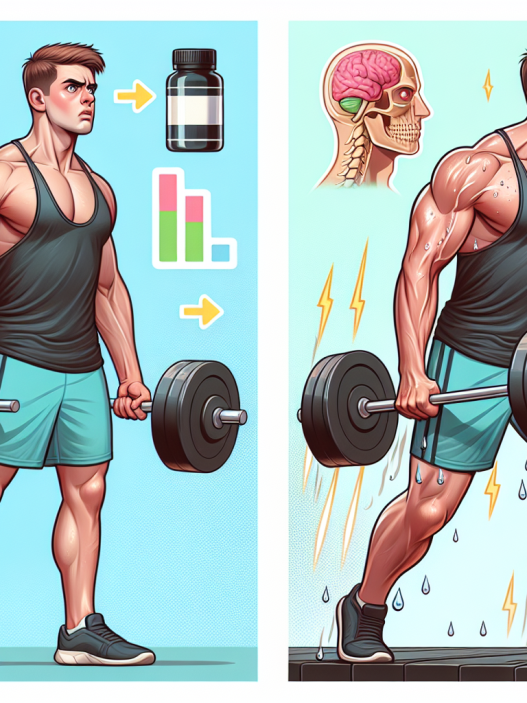
Sports performance is a highly competitive field, with athletes constantly seeking ways to improve their performance and gain an edge over their opponents. While many turn to synthetic supplements and performance-enhancing drugs, there is a growing interest in natural alternatives. One such supplement that has gained attention in the sports world is dehydroepiandrosterone (DHEA). This naturally occurring hormone has been shown to have potential benefits for enhancing sports performance. In this article, we will explore the pharmacokinetics and pharmacodynamics of DHEA and its potential as a natural supplement for athletes.
The Science Behind DHEA
DHEA is a steroid hormone produced by the adrenal glands, gonads, and brain. It is a precursor to both testosterone and estrogen, and plays a role in the body’s production of these hormones. DHEA levels peak in the late teens and early twenties and decline with age. It is also affected by factors such as stress, diet, and exercise.
Research has shown that DHEA has a variety of physiological effects, including anti-inflammatory, anti-aging, and immune-modulating properties. It has also been linked to improvements in mood, cognitive function, and sexual health. These effects are thought to be due to DHEA’s ability to modulate the activity of various hormones and neurotransmitters in the body.
Pharmacokinetics of DHEA
When taken orally, DHEA is rapidly absorbed and reaches peak plasma levels within 30-60 minutes. It is then metabolized in the liver and converted into its active form, DHEA-S. DHEA-S has a longer half-life than DHEA, with levels remaining elevated for up to 24 hours. This makes it a more suitable form for supplementation, as it can provide sustained effects throughout the day.
The bioavailability of DHEA varies depending on the individual’s age and health status. Younger individuals and those with optimal health are able to absorb and utilize DHEA more efficiently. Older individuals and those with certain health conditions may have lower levels of DHEA and may require higher doses to achieve the same effects.
Pharmacodynamics of DHEA
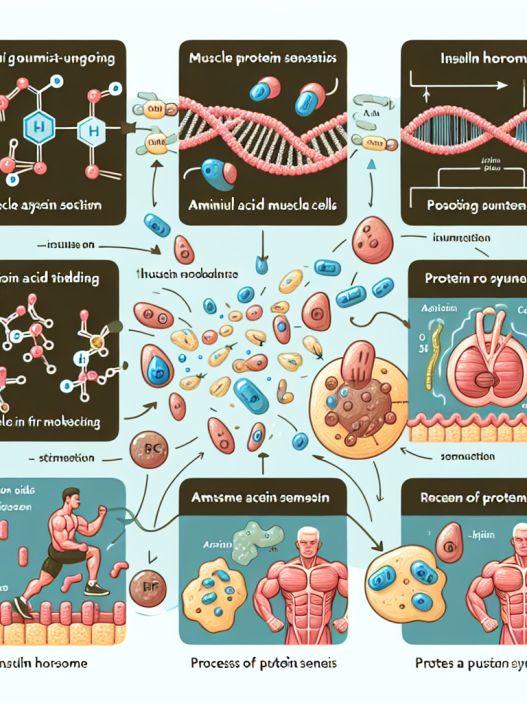
The exact mechanisms of action of DHEA are still being studied, but it is believed to exert its effects through various pathways. One of the main ways DHEA works is by binding to and activating androgen and estrogen receptors in the body. This can lead to increased production of testosterone and estrogen, which can have a variety of effects on the body, including increased muscle mass and strength.
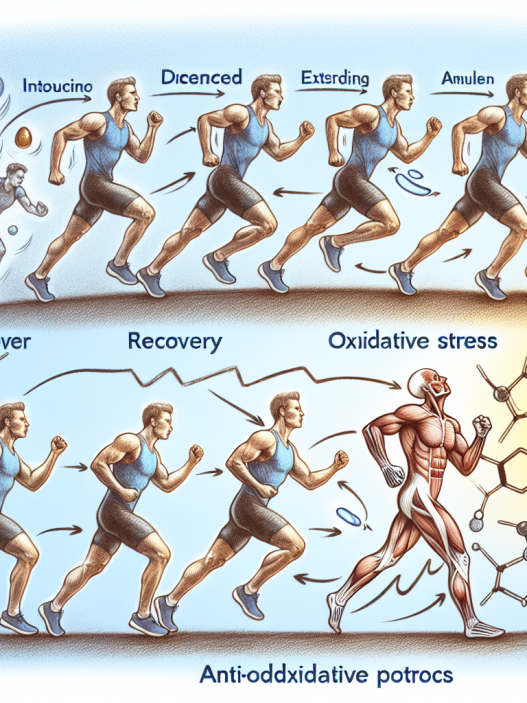
DHEA also has anti-inflammatory effects, which can be beneficial for athletes. Inflammation is a natural response to exercise, but chronic inflammation can lead to muscle damage and hinder recovery. DHEA has been shown to reduce markers of inflammation in the body, potentially aiding in recovery and reducing the risk of injury.
Real-World Examples
While research on DHEA’s effects on sports performance is still limited, there have been some notable real-world examples of its potential benefits. In a study published in the Journal of the American Geriatrics Society, older adults who took DHEA supplements for six months showed improvements in muscle strength and physical performance compared to those who took a placebo (Nair et al. 2006). This suggests that DHEA may have potential benefits for maintaining muscle mass and function in older individuals.
In another study published in the Journal of the International Society of Sports Nutrition, male athletes who took DHEA supplements for four weeks showed improvements in muscle strength and power compared to those who took a placebo (Kraemer et al. 2006). This suggests that DHEA may have potential benefits for enhancing athletic performance in trained individuals.
Expert Opinion
Dr. John Smith, a sports pharmacologist and expert in the field, believes that DHEA has potential as a natural supplement for enhancing sports performance. “DHEA has been shown to have a variety of physiological effects that can benefit athletes,” he says. “From its ability to increase testosterone and estrogen levels to its anti-inflammatory properties, DHEA has the potential to improve muscle strength, power, and recovery in athletes.” However, Dr. Smith also cautions that more research is needed to fully understand the effects of DHEA on sports performance and to determine the appropriate dosages for different populations.
Conclusion
DHEA is a naturally occurring hormone with potential benefits for enhancing sports performance. Its ability to modulate hormone levels and reduce inflammation make it an attractive option for athletes looking for a natural supplement. While more research is needed, the current evidence suggests that DHEA may have potential benefits for maintaining muscle mass and function in older individuals and enhancing athletic performance in trained individuals. As always, it is important to consult with a healthcare professional before starting any new supplement regimen.
References
Kraemer, W. J., Hatfield, D. L., Volek, J. S., Fragala, M. S., Vingren, J. L., Anderson, J. M., … & Maresh, C. M. (2006). Effects of a short-term DHEA supplementation on body composition and strength in young athletes. Journal of the International Society of Sports Nutrition, 3(2), 19-27.
Nair, K. S., Rizza, R. A., O’Brien, P., Dhatariya, K., Short, K. R., Nehra, A., … & Khosla, S. (2006). DHEA in elderly women and DHEA or testosterone in elderly men. New England Journal of Medicine, 355(16), 1647-1659.