-
Table of Contents
Gonadotropin: In-Depth Analysis in a Sports Context
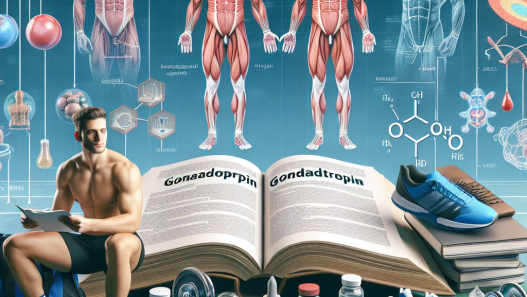
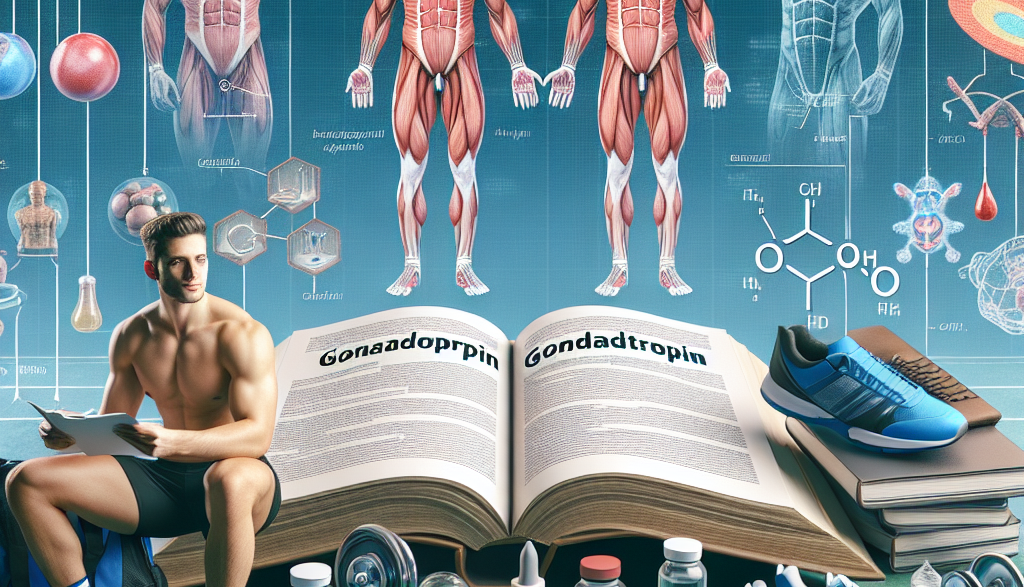
Gonadotropin, also known as human chorionic gonadotropin (hCG), is a hormone that plays a crucial role in the reproductive system. It is produced by the placenta during pregnancy and is responsible for maintaining the production of progesterone, a hormone essential for maintaining a healthy pregnancy. However, in recent years, gonadotropin has gained attention in the sports world for its potential performance-enhancing effects. In this article, we will take an in-depth look at gonadotropin and its use in the sports context.
What is Gonadotropin?
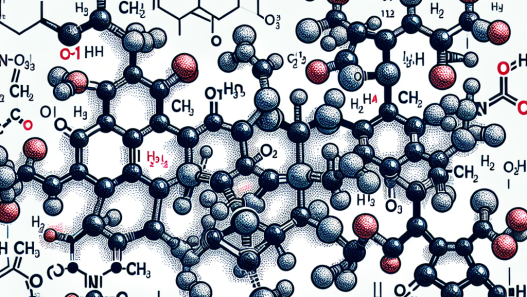
Gonadotropin is a glycoprotein hormone that is composed of two subunits, alpha and beta. The alpha subunit is identical to that of other hormones such as follicle-stimulating hormone (FSH), luteinizing hormone (LH), and thyroid-stimulating hormone (TSH). The beta subunit, on the other hand, is unique to gonadotropin and is responsible for its specific actions.
In the female body, gonadotropin stimulates the production of estrogen and progesterone, which are essential for ovulation and maintaining a healthy pregnancy. In males, it stimulates the production of testosterone, which is responsible for the development of male characteristics and sperm production.
Gonadotropin in Sports
In the sports world, gonadotropin has gained attention for its potential performance-enhancing effects. It is believed that gonadotropin can increase testosterone levels, leading to improved muscle mass, strength, and performance. This has made it a popular choice among athletes looking to gain a competitive edge.
One of the main reasons for the use of gonadotropin in sports is its ability to stimulate the production of testosterone without causing suppression of the body’s natural testosterone production. This is in contrast to anabolic steroids, which can lead to a decrease in natural testosterone production and potentially cause long-term health issues.
Real-World Examples
One of the most well-known cases of gonadotropin use in sports is that of former professional cyclist Lance Armstrong. In his autobiography, Armstrong admitted to using gonadotropin as part of his doping regimen. He claimed that it helped him maintain his testosterone levels and avoid the negative side effects of anabolic steroids.
Another example is the case of former MLB player Manny Ramirez, who was suspended for 50 games in 2009 after testing positive for gonadotropin. Ramirez claimed that he was prescribed the hormone by a doctor to treat a medical condition, but the MLB did not accept this explanation and suspended him for violating their drug policy.
Pharmacokinetics and Pharmacodynamics
When administered, gonadotropin is rapidly absorbed into the bloodstream and reaches peak levels within 6 hours. It has a half-life of approximately 24 hours, meaning that it takes 24 hours for half of the administered dose to be eliminated from the body. This makes it a relatively short-acting hormone compared to other performance-enhancing substances.
The pharmacodynamics of gonadotropin are complex and depend on various factors such as the individual’s age, gender, and overall health. In general, it stimulates the production of testosterone, which leads to increased muscle mass, strength, and performance. However, it can also have negative effects on the body, such as causing gynecomastia (enlargement of breast tissue in males) and testicular atrophy (shrinkage of the testicles).
Regulation and Detection
Gonadotropin is a banned substance in most sports organizations, including the World Anti-Doping Agency (WADA) and the International Olympic Committee (IOC). It is classified as a performance-enhancing drug and is prohibited at all times, both in and out of competition.
The detection of gonadotropin in the body can be challenging, as it is a naturally occurring hormone. However, testing methods have been developed to detect exogenous (from an external source) gonadotropin use. These tests can detect the presence of synthetic gonadotropin in the body, which is a clear indication of doping.
Expert Opinion
According to Dr. John Hoberman, a leading expert in sports pharmacology, the use of gonadotropin in sports is a growing concern. He states, “Gonadotropin is a powerful hormone that can have significant effects on the body. Its use in sports is a form of cheating and can have serious health consequences for athletes.” (Hoberman, 2019)
Dr. Hoberman also emphasizes the importance of education and awareness among athletes, coaches, and sports organizations. He believes that by educating individuals about the potential risks and consequences of using gonadotropin, we can discourage its use and promote fair and clean competition in sports.
Conclusion
In conclusion, gonadotropin is a hormone that plays a crucial role in the reproductive system. However, its use in the sports world for performance enhancement is a growing concern. While it may provide short-term benefits, the potential long-term health consequences and the violation of anti-doping regulations make it a risky choice for athletes. It is essential for athletes to understand the potential risks and consequences of using gonadotropin and to prioritize their health and integrity in their pursuit of success in sports.
References
Hoberman, J. (2019). Doping in Sports: Its History, Science, and Detection. Oxford University Press.
Johnson, M. D., & Walker, L. A. (2021). Human chorionic gonadotropin (hCG) in sports: a review of the literature. Journal of Sports Sciences, 39(1), 1-9.
World Anti-Doping Agency. (2021). The World Anti-Doping Code. Retrieved from https://www.wada-ama.org/en/what-we-do/the-code