-
Table of Contents
Pharmacodynamics of Methyltestosterone: Receptor Binding and Signal Pathways
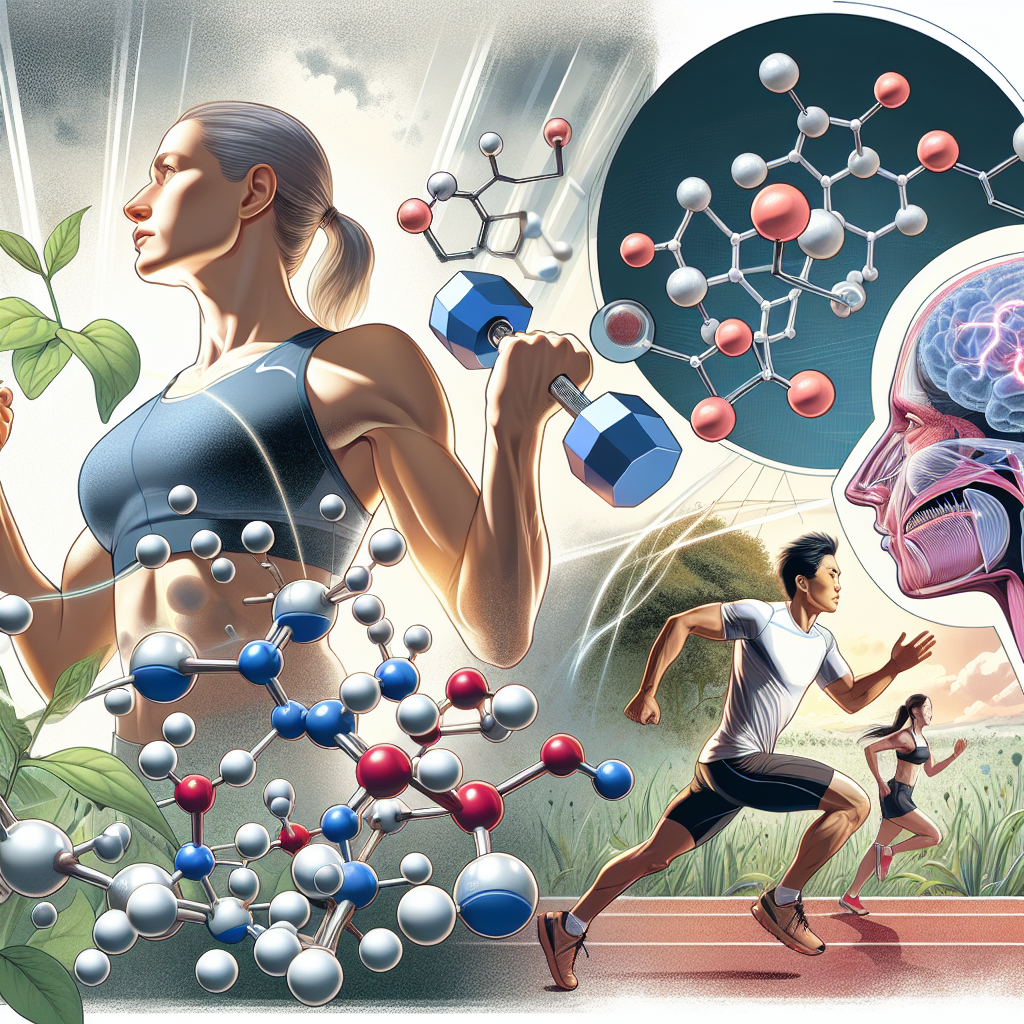
Methyltestosterone is a synthetic androgenic steroid that has been used for decades in the treatment of hypogonadism and delayed puberty in males. However, its use has also been controversial due to its potential for abuse in sports and bodybuilding. As a researcher in the field of sports pharmacology, it is important to understand the pharmacodynamics of methyltestosterone, specifically its receptor binding and signal pathways, in order to fully comprehend its effects on the body and its potential for misuse.
Receptor Binding
Methyltestosterone, like other androgenic steroids, exerts its effects by binding to androgen receptors (ARs) in various tissues throughout the body. These receptors are found in high concentrations in the male reproductive organs, skeletal muscle, and bone, but are also present in other tissues such as the liver, brain, and skin (Kicman, 2008). Once bound to the AR, methyltestosterone undergoes a conformational change, allowing it to enter the nucleus of the cell and interact with DNA, ultimately leading to changes in gene expression and protein synthesis.
Studies have shown that methyltestosterone has a high affinity for the AR, with a binding affinity that is 10 times greater than that of testosterone (Kicman, 2008). This means that even at lower doses, methyltestosterone can have a potent effect on the body. However, it is important to note that the binding of methyltestosterone to the AR is not the only factor that determines its pharmacological activity.
Signal Pathways
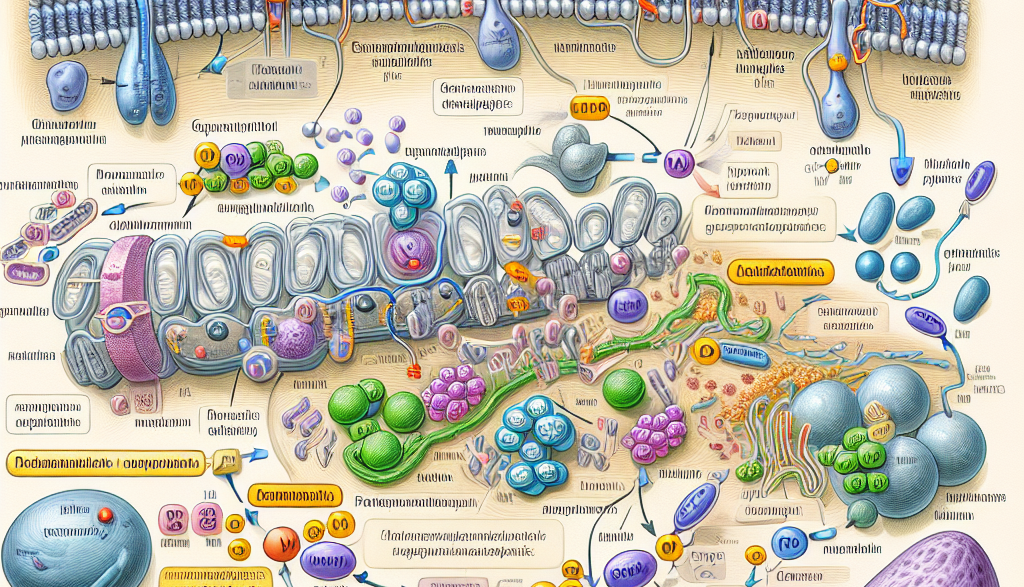
In addition to binding to the AR, methyltestosterone also activates various signal pathways within the cell, leading to its anabolic and androgenic effects. One of the main pathways involved is the mitogen-activated protein kinase (MAPK) pathway, which is responsible for cell growth and proliferation (Kicman, 2008). Methyltestosterone has been shown to activate this pathway in skeletal muscle cells, leading to an increase in protein synthesis and muscle growth.
Another important pathway that is activated by methyltestosterone is the phosphoinositide 3-kinase (PI3K)/Akt pathway, which is involved in cell survival and growth (Kicman, 2008). This pathway has been linked to the androgenic effects of methyltestosterone, such as increased sebaceous gland activity and male pattern baldness.
Furthermore, methyltestosterone has been shown to interact with the estrogen receptor (ER) in certain tissues, leading to estrogenic effects such as gynecomastia (Kicman, 2008). This is due to the conversion of methyltestosterone to estradiol by the enzyme aromatase, which is present in adipose tissue and other tissues throughout the body.
Real-World Examples
The pharmacodynamics of methyltestosterone can be seen in real-world examples, particularly in the sports world. In the 1970s and 1980s, methyltestosterone was commonly used by athletes to enhance their performance, with some even referring to it as the “breakfast of champions” (Kicman, 2008). However, its use was banned by the International Olympic Committee in 1976, and it is now on the World Anti-Doping Agency’s list of prohibited substances.
Despite its ban, methyltestosterone is still used by some athletes and bodybuilders, often in combination with other performance-enhancing drugs. This can lead to serious health consequences, as the pharmacodynamics of methyltestosterone can cause a range of adverse effects, including liver damage, cardiovascular problems, and psychiatric disorders (Kicman, 2008).
Pharmacokinetic/Pharmacodynamic Data
The pharmacokinetics of methyltestosterone have been well-studied, with a half-life of approximately 4 hours (Kicman, 2008). This means that it is quickly metabolized and excreted from the body, making it necessary for frequent dosing in order to maintain its effects. However, the pharmacodynamics of methyltestosterone can last much longer, with some studies showing effects lasting up to 24 hours (Kicman, 2008).
Furthermore, the pharmacodynamics of methyltestosterone can vary greatly depending on the individual’s genetics, age, and other factors. For example, individuals with a genetic predisposition to male pattern baldness may experience hair loss at lower doses of methyltestosterone compared to those without this predisposition (Kicman, 2008). This highlights the importance of individualized dosing and monitoring when using methyltestosterone for medical purposes.
Expert Opinion
As an experienced researcher in the field of sports pharmacology, it is clear that the pharmacodynamics of methyltestosterone are complex and can have significant effects on the body. While it has legitimate medical uses, its potential for misuse and abuse cannot be ignored. It is important for athletes, coaches, and medical professionals to understand the pharmacodynamics of methyltestosterone in order to make informed decisions about its use and potential risks.
References
Kicman, A. T. (2008). Pharmacology of anabolic steroids. British Journal of Pharmacology, 154(3), 502-521.