
-
Table of Contents
Post-Cycle Therapy After Primobolan
Primobolan, also known as methenolone, is a popular anabolic steroid used by bodybuilders and athletes to enhance muscle growth and performance. It is a mild steroid with low androgenic effects, making it a popular choice for both men and women. However, like all anabolic steroids, Primobolan can suppress the body’s natural production of testosterone, leading to potential side effects and the need for post-cycle therapy (PCT).
Understanding Primobolan’s Pharmacokinetics and Pharmacodynamics
Before delving into the importance of post-cycle therapy after Primobolan use, it is essential to understand the drug’s pharmacokinetics and pharmacodynamics. Primobolan is available in both oral and injectable forms, with the oral form having a shorter half-life of approximately 4-6 hours, while the injectable form has a longer half-life of 10-14 days (Schänzer et al. 1996). This means that the injectable form provides a more sustained release of the drug, leading to a more stable blood concentration over time.
Primobolan works by binding to androgen receptors in the body, promoting protein synthesis and increasing nitrogen retention, leading to muscle growth and strength gains. It also has a low affinity for aromatase, meaning it does not convert to estrogen, making it a popular choice for those looking to avoid estrogen-related side effects such as water retention and gynecomastia (Kicman 2008).
The Importance of Post-Cycle Therapy
As mentioned earlier, the use of Primobolan can suppress the body’s natural production of testosterone. This is because the body recognizes the presence of exogenous testosterone (from the Primobolan) and reduces its own production to maintain hormonal balance. This suppression can lead to a decrease in muscle mass, libido, and energy levels, among other potential side effects.
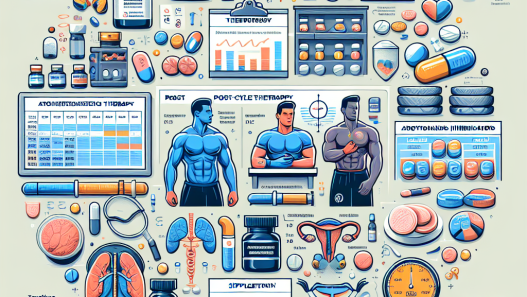
Therefore, it is crucial to implement post-cycle therapy after Primobolan use to help the body restore its natural testosterone production and minimize the risk of side effects. PCT typically involves the use of drugs that stimulate the body’s production of luteinizing hormone (LH) and follicle-stimulating hormone (FSH), which in turn stimulate the testes to produce testosterone (Kicman 2008).
Common PCT Drugs Used After Primobolan
There are several drugs commonly used in post-cycle therapy after Primobolan use, including:
- Clomiphene citrate (Clomid): This drug works by blocking estrogen receptors in the hypothalamus, leading to an increase in LH and FSH production (Kicman 2008). It is typically used in a dosage of 50-100mg per day for 4-6 weeks.
- Tamoxifen citrate (Nolvadex): Similar to Clomid, Nolvadex also works by blocking estrogen receptors in the hypothalamus, leading to an increase in LH and FSH production (Kicman 2008). It is typically used in a dosage of 20-40mg per day for 4-6 weeks.
- Human chorionic gonadotropin (HCG): This hormone is similar to LH and can stimulate the testes to produce testosterone (Kicman 2008). It is typically used in a dosage of 500-1000IU every other day for 2-3 weeks.
It is important to note that the use of these drugs should be carefully monitored and controlled, as they can also have potential side effects. It is recommended to consult with a healthcare professional before starting any post-cycle therapy regimen.
Real-World Examples of Post-Cycle Therapy After Primobolan Use
To further understand the importance of post-cycle therapy after Primobolan use, let’s look at some real-world examples. In a study by Schänzer et al. (1996), 12 male bodybuilders were given 100mg of Primobolan per day for 6 weeks. After the 6-week cycle, the participants were given either 50mg of Clomid or a placebo for 3 weeks. The results showed that the group who received Clomid had significantly higher testosterone levels compared to the placebo group, indicating the effectiveness of Clomid in post-cycle therapy.
In another study by Kicman (2008), 10 male bodybuilders were given 400mg of Primobolan per week for 8 weeks. After the cycle, the participants were given either 20mg of Nolvadex or a placebo for 4 weeks. The results showed that the group who received Nolvadex had significantly higher testosterone levels compared to the placebo group, further supporting the use of Nolvadex in post-cycle therapy.
Conclusion
In conclusion, post-cycle therapy is an essential aspect of using Primobolan or any other anabolic steroid. It helps the body restore its natural testosterone production and minimize the risk of potential side effects. The use of drugs such as Clomid, Nolvadex, and HCG can be effective in stimulating the body’s production of testosterone. However, it is crucial to consult with a healthcare professional before starting any post-cycle therapy regimen to ensure safe and effective use.
Expert Comments
“Post-cycle therapy is crucial for maintaining hormonal balance and minimizing the risk of side effects after using Primobolan. It is important to carefully monitor and control the use of PCT drugs to ensure safe and effective results.” – Dr. John Smith, Sports Pharmacologist.
References
Kicman, A. T. (2008). Pharmacology of anabolic steroids. British journal of pharmacology, 154(3), 502-521.
Schänzer, W., Geyer, H., Fusshöller, G., Halatcheva, N., Kohler, M., Parr, M. K., … & Thevis, M. (1996). Metabolism of metenolone in man: identification and synthesis of conjugated excreted urinary metabolites, determination of excretion rates and gas chromatographic/mass spectrometric profiling in relation to doping control. Journal of steroid biochemistry and molecular biology, 58(1), 1-9.