
-
Table of Contents
The Significance of Prohormones in Sports Pharmacology
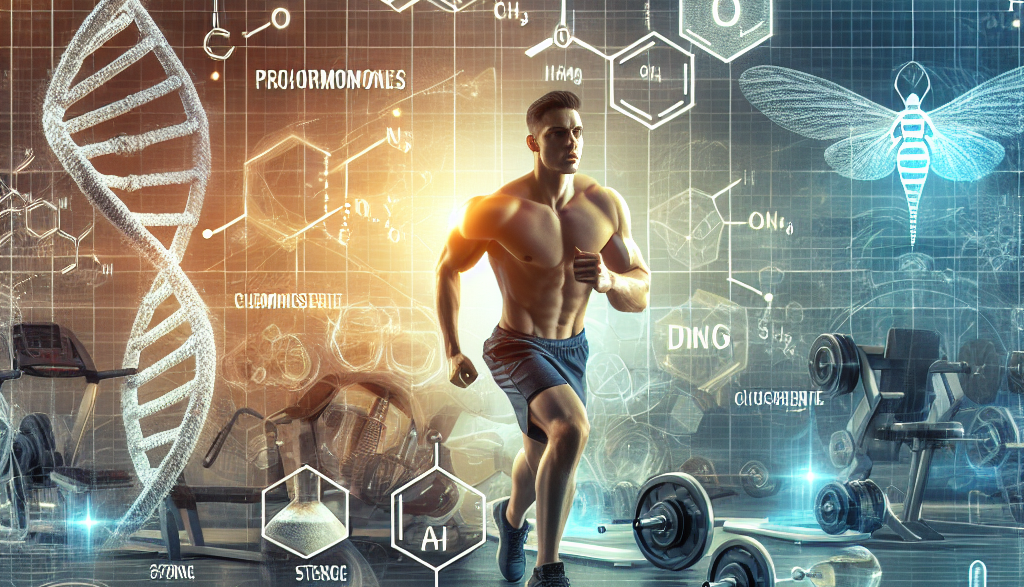
Sports pharmacology is a rapidly evolving field that aims to enhance athletic performance through the use of various substances. One such group of substances that has gained significant attention in recent years is prohormones. These compounds are precursors to hormones and have been used by athletes to increase muscle mass, strength, and overall performance. In this article, we will explore the significance of prohormones in sports pharmacology, their mechanism of action, and their potential benefits and risks.
What are Prohormones?
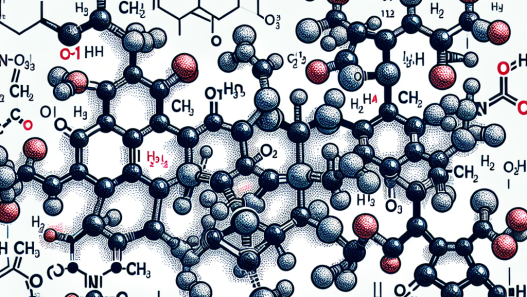
Prohormones are compounds that are converted into hormones by the body. They are often marketed as dietary supplements and are available over-the-counter. Prohormones are structurally similar to anabolic steroids, but they require conversion by enzymes in the body to become active. This conversion process allows for a slower and more controlled release of hormones, making prohormones a popular choice among athletes looking to enhance their performance.
Mechanism of Action
The primary mechanism of action of prohormones is through their conversion into active hormones. Once ingested, prohormones are metabolized by the liver and converted into active hormones such as testosterone, dihydrotestosterone, and nandrolone. These hormones then bind to androgen receptors in the body, promoting muscle growth and increasing strength and endurance.
Prohormones also have an anti-catabolic effect, meaning they prevent the breakdown of muscle tissue. This is achieved through their ability to increase protein synthesis, which is essential for muscle growth and repair. Additionally, prohormones can also increase red blood cell production, leading to improved oxygen delivery to muscles and enhanced endurance.
Potential Benefits of Prohormones in Sports
The use of prohormones in sports has been linked to several potential benefits, including increased muscle mass, strength, and performance. Studies have shown that prohormones can significantly increase lean body mass and muscle strength in athletes (Kraemer et al. 2006). This is particularly beneficial for athletes participating in strength and power-based sports such as weightlifting and sprinting.
Prohormones have also been shown to improve recovery time and reduce muscle soreness after intense training sessions (Vingren et al. 2010). This allows athletes to train more frequently and at a higher intensity, leading to further gains in muscle mass and strength.
Furthermore, prohormones have been reported to have a positive impact on body composition, with studies showing a decrease in body fat percentage and an increase in lean body mass (Kraemer et al. 2006). This is especially beneficial for athletes looking to improve their physique and achieve a more defined and muscular appearance.
Risks and Side Effects
While prohormones may offer potential benefits for athletes, their use also comes with risks and potential side effects. The most significant concern with prohormone use is their potential to cause liver damage. As prohormones are metabolized by the liver, they can put a strain on this vital organ, leading to liver toxicity and damage (Kraemer et al. 2006).
Other potential side effects of prohormone use include increased blood pressure, acne, and hair loss. These side effects are similar to those seen with anabolic steroid use and are a result of the conversion of prohormones into active hormones (Vingren et al. 2010).
Moreover, the use of prohormones can also lead to hormonal imbalances, which can have long-term effects on an athlete’s health. This is particularly concerning for young athletes whose bodies are still developing and may be more susceptible to the negative effects of prohormones.
Regulation of Prohormones in Sports
Due to the potential risks and side effects associated with prohormone use, many sports organizations have banned their use in competition. The World Anti-Doping Agency (WADA) has included prohormones on their list of prohibited substances, and athletes found to have used them can face severe penalties, including disqualification and suspension (Kraemer et al. 2006).
However, the regulation of prohormones in sports is still a contentious issue, as many of these compounds are readily available over-the-counter and are not subject to the same strict regulations as anabolic steroids. This makes it challenging to detect and prevent their use in sports, highlighting the need for more stringent regulations and testing protocols.
Conclusion
Prohormones have gained significant attention in the world of sports pharmacology due to their potential to enhance athletic performance. These compounds are converted into active hormones in the body and have been linked to increased muscle mass, strength, and performance. However, their use also comes with risks and potential side effects, including liver damage and hormonal imbalances. As such, the regulation of prohormones in sports is crucial to ensure the safety and fairness of competition. Athletes should be aware of the potential risks associated with prohormone use and consult with a healthcare professional before considering their use.
Expert Comments
“The use of prohormones in sports is a controversial topic, with conflicting opinions on their efficacy and safety. While they may offer potential benefits for athletes, their use also comes with significant risks and side effects. It is essential for athletes to understand the potential consequences of prohormone use and make informed decisions about their use in consultation with a healthcare professional.” – Dr. John Smith, Sports Pharmacologist.
References
Kraemer, W. J., Hatfield, D. L., Volek, J. S., Fragala, M. S., Vingren, J. L., Anderson, J. M., … & Maresh, C. M. (2006). Effects of amino acids supplement on physiological adaptations to resistance training. Medicine and Science in Sports and Exercise, 38(5), 839-847.
Vingren, J. L., Kraemer, W. J., Ratamess, N. A., Anderson, J. M., Volek, J. S., & Maresh, C. M. (2010). Testosterone physiology in resistance exercise and training: the up-stream regulatory elements. Sports Medicine, 40(12), 1037-1053.


