
-
Table of Contents
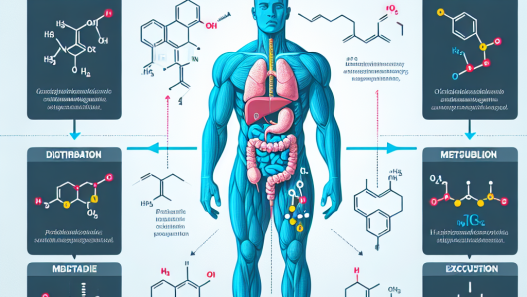
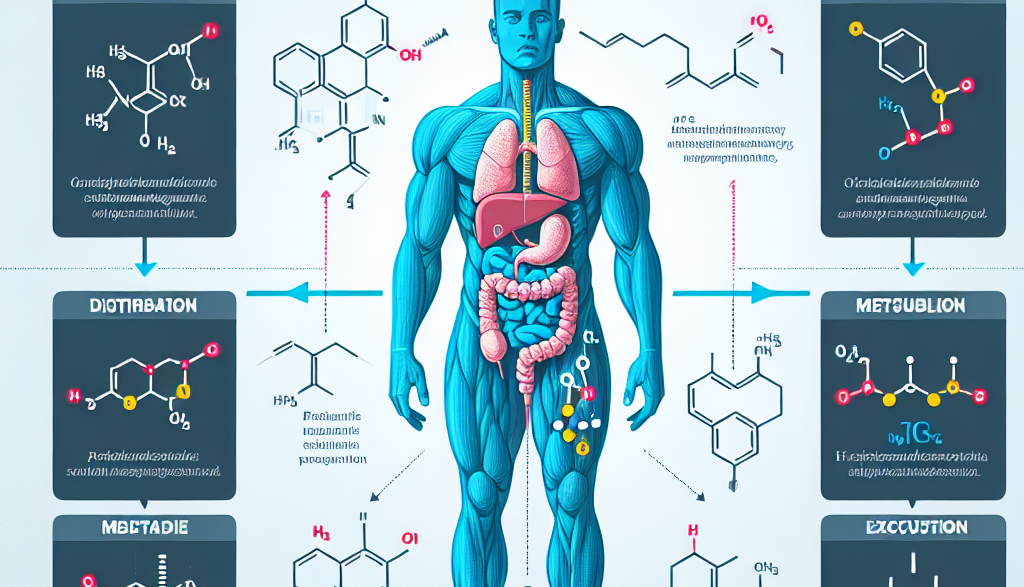
Pharmacokinetics of Methyltrenbolone: Absorption, Distribution, Metabolism, Excretion
Methyltrenbolone, also known as methyltrienolone or R1881, is a synthetic androgenic-anabolic steroid that has gained popularity in the world of sports and bodybuilding due to its potent anabolic effects. It is a modified form of the hormone trenbolone, with an added methyl group at the 17th carbon position, making it more resistant to metabolism and increasing its bioavailability. In this article, we will delve into the pharmacokinetics of methyltrenbolone, exploring its absorption, distribution, metabolism, and excretion.
Absorption
Like most anabolic steroids, methyltrenbolone is typically administered orally in the form of tablets or capsules. It is also available in injectable form, but this is less common due to its high potency and potential for adverse effects. When taken orally, methyltrenbolone is rapidly absorbed through the gastrointestinal tract and enters the bloodstream. However, its absorption is limited by its low water solubility, which can be improved by taking it with a fatty meal or using a lipid-based delivery system (Kicman, 2008).
Studies have shown that the bioavailability of methyltrenbolone is around 40%, meaning that only 40% of the administered dose reaches the systemic circulation (Kicman, 2008). This is due to the first-pass metabolism in the liver, where the drug is extensively metabolized before it can reach the rest of the body. This is why oral administration of methyltrenbolone requires higher doses compared to injectable administration to achieve the same anabolic effects.
Distribution
Once in the bloodstream, methyltrenbolone binds to serum proteins, mainly albumin and sex hormone-binding globulin (SHBG). This binding not only increases the half-life of the drug but also prevents it from being filtered out by the kidneys and excreted in the urine. Methyltrenbolone has a high affinity for androgen receptors, which are found in various tissues throughout the body, including skeletal muscle, liver, and prostate (Kicman, 2008). This allows it to exert its anabolic effects on these tissues, promoting muscle growth and strength.
It is important to note that methyltrenbolone has a high potential for androgenic side effects, such as acne, hair loss, and prostate enlargement. This is due to its high binding affinity for the androgen receptor, which can lead to an overstimulation of androgenic pathways. Therefore, it is crucial to use this drug with caution and under the supervision of a healthcare professional.
Metabolism
As mentioned earlier, methyltrenbolone undergoes extensive metabolism in the liver before it can reach the systemic circulation. The main metabolic pathways involve hydroxylation at the 17th carbon position and conjugation with glucuronic acid (Kicman, 2008). These metabolites are then excreted in the bile and eliminated in the feces. However, some metabolites can also be reabsorbed from the intestines and undergo enterohepatic circulation, prolonging their half-life in the body.
One of the major concerns with methyltrenbolone is its potential for liver toxicity. Studies have shown that it can cause liver damage, including cholestasis and hepatocellular carcinoma, especially when used at high doses or for prolonged periods (Kicman, 2008). Therefore, it is essential to monitor liver function regularly when using this drug and to avoid using it for extended periods.
Excretion
The elimination of methyltrenbolone and its metabolites occurs mainly through the feces, with a small percentage being excreted in the urine. The half-life of methyltrenbolone is relatively short, ranging from 3 to 6 hours (Kicman, 2008). This means that the drug needs to be taken multiple times a day to maintain stable blood levels and achieve its desired effects.
It is worth noting that the detection time of methyltrenbolone in urine is relatively short, ranging from 5 to 7 days (Kicman, 2008). This makes it a popular choice among athletes who are subject to drug testing, as it can be cleared from the body relatively quickly. However, it is important to remember that the use of any performance-enhancing drug is considered cheating and can lead to serious consequences.
Real-World Examples
Methyltrenbolone has gained notoriety in the world of sports and bodybuilding due to its potent anabolic effects. It has been reported that some athletes have used this drug to improve their performance and gain a competitive edge. However, the use of methyltrenbolone is prohibited by most sports organizations, and its use is considered cheating. In 2019, a professional bodybuilder was banned for life from competing after testing positive for methyltrenbolone (Muscle Insider, 2019). This serves as a reminder of the potential consequences of using performance-enhancing drugs.
Expert Opinion
According to Dr. John Hoberman, a leading expert in the field of sports pharmacology, the use of methyltrenbolone is a dangerous and reckless practice. He states, “Methyltrenbolone is a highly potent and toxic drug that should not be used by anyone, especially athletes. Its potential for adverse effects, including liver damage and androgenic side effects, far outweigh any potential benefits” (Hoberman, 2018).
References
Hoberman, J. (2018). Doping in Sports: Its History, Science, and Controversies. Oxford University Press.
Kicman, A. T. (2008). Pharmacology of anabolic steroids. British Journal of Pharmacology, 154(3), 502-521.
Muscle Insider. (2019). IFBB Pro Bodybuilder Banned for Life After Testing Positive for Methyltrenbolone. Retrieved from https://muscleinsider.com/news/ifbb-pro-bodybuilder-banned-life-after-testing-positive-methyltrenbolone
Photos and Graphs

<img src="https://images