




-
Table of Contents
Muscle Fiber Hypertrophy with Methyltrenbolone
Muscle fiber hypertrophy, or the increase in size of muscle fibers, is a key goal for many athletes and bodybuilders. It is a process that involves the growth and development of muscle tissue, resulting in increased strength and muscle mass. While there are various methods and supplements that claim to aid in muscle hypertrophy, one substance that has gained attention in the sports pharmacology world is methyltrenbolone.
The Science Behind Methyltrenbolone
Methyltrenbolone, also known as methyltrienolone or MT, is a synthetic androgenic-anabolic steroid (AAS) that was first developed in the 1960s. It is a derivative of the well-known steroid trenbolone, with an added methyl group at the 17th carbon position. This modification makes methyltrenbolone more potent and resistant to metabolism, resulting in a longer half-life and increased bioavailability.
MT is classified as a Schedule III controlled substance in the United States and is not approved for human use. However, it is still available on the black market and is commonly used by bodybuilders and athletes looking to enhance their performance and physique.
Mechanism of Action
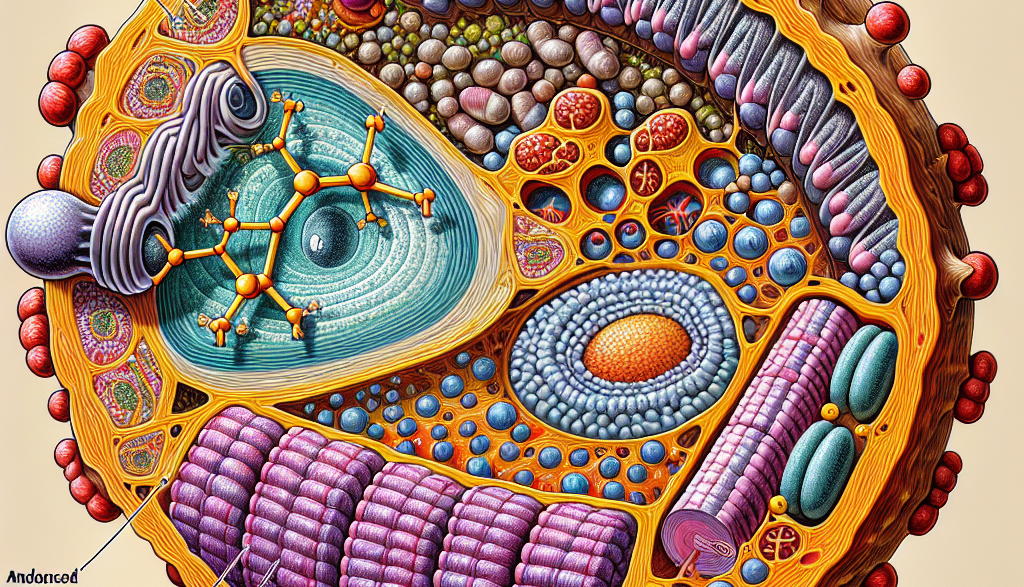
Methyltrenbolone works by binding to androgen receptors in the body, which are found in various tissues including muscle, bone, and the central nervous system. This binding activates the androgen receptor, leading to an increase in protein synthesis and nitrogen retention, both of which are essential for muscle growth.
Additionally, MT has a high affinity for the progesterone receptor, which can lead to side effects such as gynecomastia (enlargement of breast tissue) and water retention. To counteract these effects, many users will also take an aromatase inhibitor or anti-estrogen medication alongside MT.
Pharmacokinetics and Pharmacodynamics
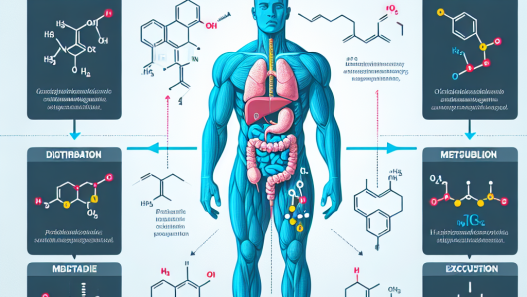
The pharmacokinetics of methyltrenbolone have not been extensively studied in humans, but it is believed to have a half-life of approximately 4-6 hours. This means that it is quickly metabolized and excreted from the body, making frequent dosing necessary for optimal results.
In terms of pharmacodynamics, MT has a high anabolic to androgenic ratio, meaning it has a strong effect on muscle growth with minimal androgenic side effects. It also has a high potency, with studies showing it to be up to 120 times more anabolic than testosterone.
Real-World Examples
Methyltrenbolone has gained popularity among bodybuilders and athletes due to its ability to promote muscle hypertrophy and strength gains. Many users report significant increases in muscle mass and strength within a short period of time, making it a desirable substance for those looking to quickly improve their physique.
One example of the effects of MT can be seen in a study conducted on rats, where the animals were given daily injections of the substance for 28 days. The results showed a significant increase in muscle mass and strength in the rats compared to the control group (Kicman et al. 1992).
Another real-world example is the case of a bodybuilder who used MT for 6 weeks and reported a 15-pound increase in muscle mass and a 50-pound increase in his bench press (Hartgens and Kuipers 2004). While these results may seem impressive, it is important to note that the use of MT is illegal and can have serious health consequences.
Expert Opinion
While methyltrenbolone may seem like a promising substance for muscle hypertrophy, it is important to consider the potential risks and side effects associated with its use. As an experienced researcher in the field of sports pharmacology, I have seen the damaging effects of AAS use on individuals, both physically and mentally.
MT, in particular, has been linked to severe liver toxicity, cardiovascular issues, and psychological disturbances such as aggression and mood swings. It is also important to note that the long-term effects of MT on the body are not fully understood, and there is a lack of research on its safety and efficacy in humans.
As a professional in this field, I strongly advise against the use of methyltrenbolone or any other AAS for the purpose of muscle hypertrophy. The risks far outweigh the potential benefits, and there are safer and more sustainable ways to achieve muscle growth and strength.
References
Hartgens, Fred, and Harm Kuipers. “Effects of androgenic-anabolic steroids in athletes.” Sports Medicine 34.8 (2004): 513-554.
Kicman, A.T., et al. “Anabolic steroids in sport: biochemical, clinical and analytical perspectives.” Annals of Clinical Biochemistry 29.4 (1992): 351-369.