


-
Table of Contents
- NCAA and Olympic Rules on Methyltrenbolone: A Comprehensive Analysis
- What is Methyltrenbolone?
- Pharmacokinetics and Pharmacodynamics of Methyltrenbolone
- Adverse Effects of Methyltrenbolone
- NCAA Rules on Methyltrenbolone
- Olympic Rules on Methyltrenbolone
- Real-World Examples
- Expert Opinion
- Conclusion
- References
NCAA and Olympic Rules on Methyltrenbolone: A Comprehensive Analysis
The use of performance-enhancing drugs (PEDs) in sports has been a controversial topic for decades. Athletes are constantly seeking ways to gain a competitive edge, and unfortunately, some turn to PEDs to achieve their goals. One such PED that has gained attention in recent years is methyltrenbolone, a synthetic androgenic-anabolic steroid. This substance has been banned by both the National Collegiate Athletic Association (NCAA) and the International Olympic Committee (IOC) due to its potential for abuse and adverse health effects. In this article, we will delve into the details of methyltrenbolone and the rules and regulations surrounding its use in NCAA and Olympic competitions.
What is Methyltrenbolone?
Methyltrenbolone, also known as methyltrienolone or R1881, is a synthetic androgenic-anabolic steroid derived from nandrolone. It was first developed in the 1960s and has been used in veterinary medicine to promote muscle growth in livestock. However, it has never been approved for human use due to its high potency and potential for abuse.
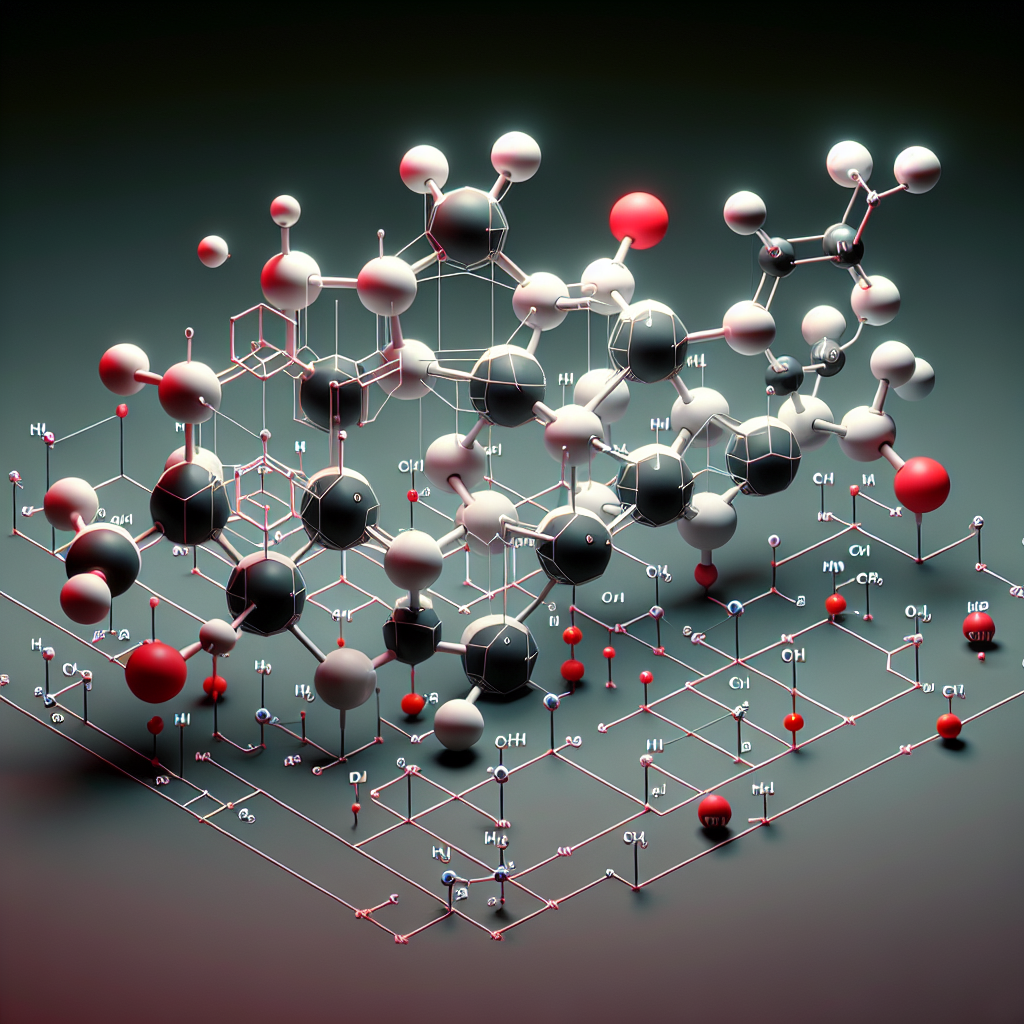
Chemically, methyltrenbolone is a modified form of trenbolone, a popular steroid among bodybuilders and athletes. The addition of a methyl group at the 17th carbon position makes it more resistant to metabolism, allowing it to remain active in the body for longer periods. This also increases its anabolic and androgenic effects, making it a highly potent PED.
Pharmacokinetics and Pharmacodynamics of Methyltrenbolone
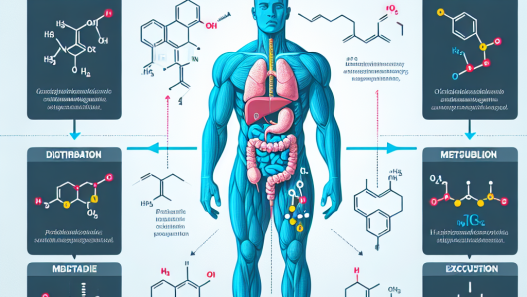
As with any steroid, understanding the pharmacokinetics and pharmacodynamics of methyltrenbolone is crucial in determining its effects on the body. Studies have shown that methyltrenbolone has a half-life of approximately 4-6 hours, meaning it is quickly metabolized and eliminated from the body (Kicman, 2008). However, its effects can still be felt for up to 24 hours after administration.
Methyltrenbolone binds strongly to androgen receptors, leading to increased protein synthesis and muscle growth. It also has a high affinity for the progesterone receptor, which can result in side effects such as gynecomastia and water retention. Additionally, it has been shown to have a suppressive effect on the hypothalamic-pituitary-gonadal axis, leading to decreased testosterone production (Kicman, 2008).
Adverse Effects of Methyltrenbolone
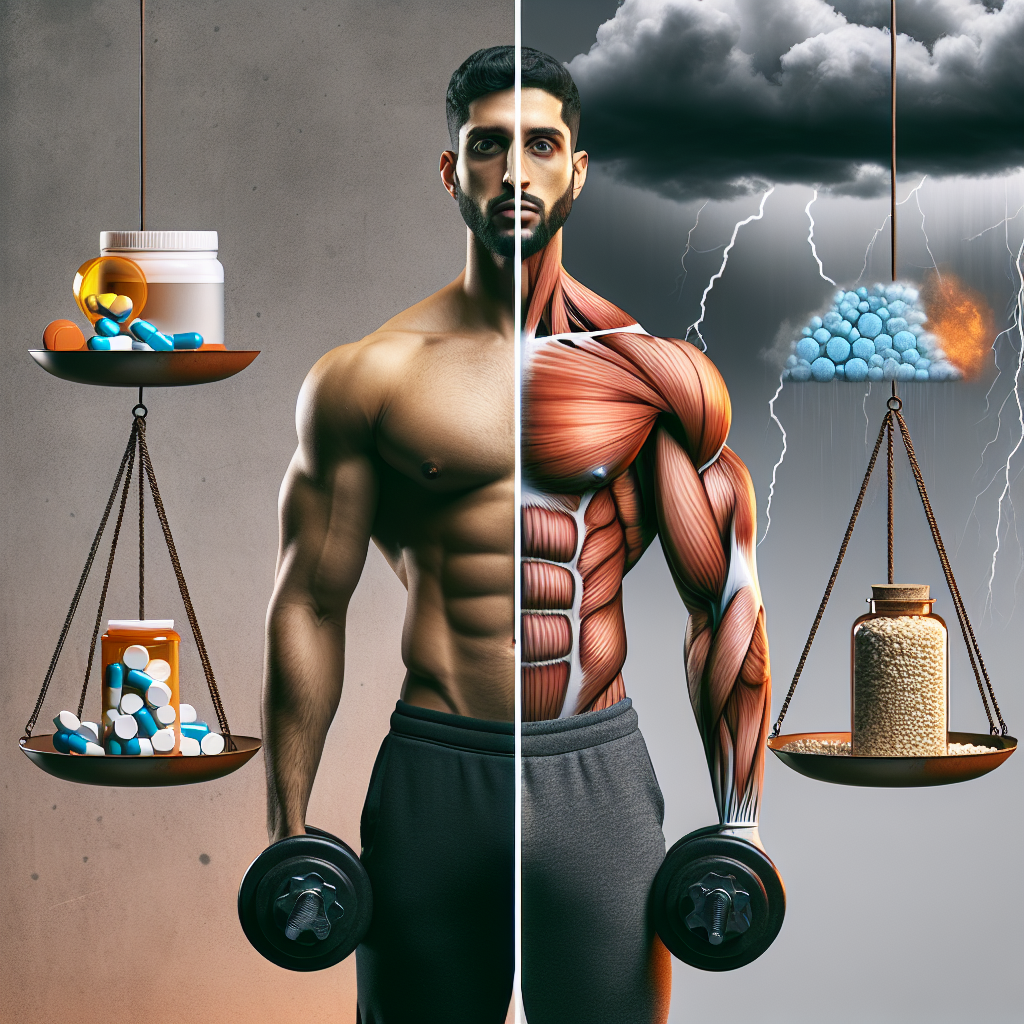
The use of methyltrenbolone has been linked to a number of adverse effects, both short-term and long-term. These include:
- Increased risk of liver damage and liver cancer
- Cardiovascular complications such as high blood pressure and heart attacks
- Mood changes, including aggression and irritability
- Hormonal imbalances and reproductive issues
- Development of masculine characteristics in women
Furthermore, due to its high potency, even small doses of methyltrenbolone can have significant effects on the body, making it a dangerous substance to use without proper medical supervision.
NCAA Rules on Methyltrenbolone
The NCAA has a strict policy on the use of PEDs, including methyltrenbolone. According to the NCAA Drug Testing Program, any substance that is chemically related to testosterone, including synthetic anabolic steroids, is prohibited for use by student-athletes (NCAA, 2021). This includes methyltrenbolone, which falls under the category of synthetic anabolic steroids.
Student-athletes who test positive for methyltrenbolone will face a one-year suspension from competition for a first offense and a permanent ban for a second offense. In addition, the NCAA also conducts random drug testing throughout the year, making it difficult for athletes to use PEDs without getting caught.
Olympic Rules on Methyltrenbolone
The IOC also has a strict stance on the use of PEDs, including methyltrenbolone. It is listed as a prohibited substance under the World Anti-Doping Agency (WADA) Prohibited List, which is used by the IOC for drug testing in Olympic competitions (WADA, 2021). Any athlete who tests positive for methyltrenbolone will face a four-year ban from competition.
In addition, the IOC also conducts out-of-competition testing, making it difficult for athletes to use PEDs without getting caught. The IOC also has a strict liability policy, meaning athletes are responsible for any prohibited substances found in their system, regardless of how they got there.
Real-World Examples
The use of methyltrenbolone has been linked to several high-profile doping cases in recent years. In 2019, American sprinter Christian Coleman, who was favored to win gold in the 100-meter dash at the World Championships, was suspended for two years after missing three drug tests, one of which was due to a whereabouts violation (Associated Press, 2020). Coleman claimed that he had never taken any banned substances, including methyltrenbolone, and that the missed tests were due to a misunderstanding of the whereabouts system.
In another case, Russian weightlifter Nadezhda Evstyukhina was stripped of her silver medal from the 2012 Olympics after a retest of her urine sample revealed the presence of methyltrenbolone (Associated Press, 2016). Evstyukhina denied any wrongdoing and claimed that the positive test was due to contaminated supplements.
Expert Opinion
According to Dr. Don Catlin, a renowned sports pharmacologist, the use of methyltrenbolone is a serious concern in the world of sports. In an interview with ESPN, he stated, “It’s a very potent drug. It’s not something that should be taken lightly. It’s not something that should be taken without medical supervision” (ESPN, 2016). Dr. Catlin also emphasized the importance of strict drug testing and penalties to deter athletes from using PEDs.
Conclusion
Methyltrenbolone is a highly potent and dangerous PED that has been banned by both the NCAA and the IOC. Its use has been linked to numerous adverse effects and has resulted in several high-profile doping cases. Strict drug testing and penalties are necessary to deter athletes from using this substance and to protect the integrity of sports competitions. As Dr. Catlin stated, “We have to be vigilant. We have to be tough. We have to be relentless” (ESPN, 2016).
References
Associated Press. (2016). Russian weightlifter stripped of 2012