



-
Table of Contents
Old School vs Modern Approach: Using Turinabol
In the world of sports, athletes are constantly seeking ways to improve their performance and gain a competitive edge. One controversial method that has been used for decades is the use of performance-enhancing drugs (PEDs). Among these PEDs is turinabol, a synthetic anabolic-androgenic steroid (AAS) that has been used by athletes since the 1960s. However, with advancements in technology and research, a modern approach to using turinabol has emerged, challenging the traditional “old school” methods. In this article, we will explore the differences between the old school and modern approach to using turinabol and the potential benefits and risks associated with each.
The Old School Approach
The old school approach to using turinabol involves high doses and long cycles, often lasting 6-8 weeks. This method was popularized by East German athletes in the 1970s and 1980s, who used turinabol as part of a state-sponsored doping program. These athletes would often take up to 20-40mg of turinabol per day, well above the recommended therapeutic dose of 5-10mg per day. The goal of this approach was to rapidly increase muscle mass and strength, with little regard for potential side effects.
One of the main reasons for the popularity of the old school approach was the belief that higher doses would lead to better results. However, this method has been heavily criticized for its potential health risks. Studies have shown that high doses of turinabol can lead to liver damage, cardiovascular issues, and hormonal imbalances (Kicman & Gower, 2003). Additionally, the long cycles used in the old school approach can increase the risk of developing dependence and addiction to turinabol.
The Modern Approach
The modern approach to using turinabol takes a more scientific and calculated approach. This method involves lower doses and shorter cycles, typically lasting 4-6 weeks. The goal of this approach is to achieve gradual and sustainable gains in muscle mass and strength, while minimizing the risk of side effects. This approach has gained popularity in recent years due to advancements in research and technology, allowing for a better understanding of the pharmacokinetics and pharmacodynamics of turinabol.
One of the key differences between the old school and modern approach is the use of post-cycle therapy (PCT). PCT involves the use of medications to help restore the body’s natural hormone production after a cycle of turinabol. This is crucial in preventing the potential side effects associated with turinabol, such as testicular atrophy and gynecomastia (Kicman & Gower, 2003). The modern approach also emphasizes the importance of proper nutrition and training, as these factors play a significant role in achieving optimal results.
Benefits and Risks
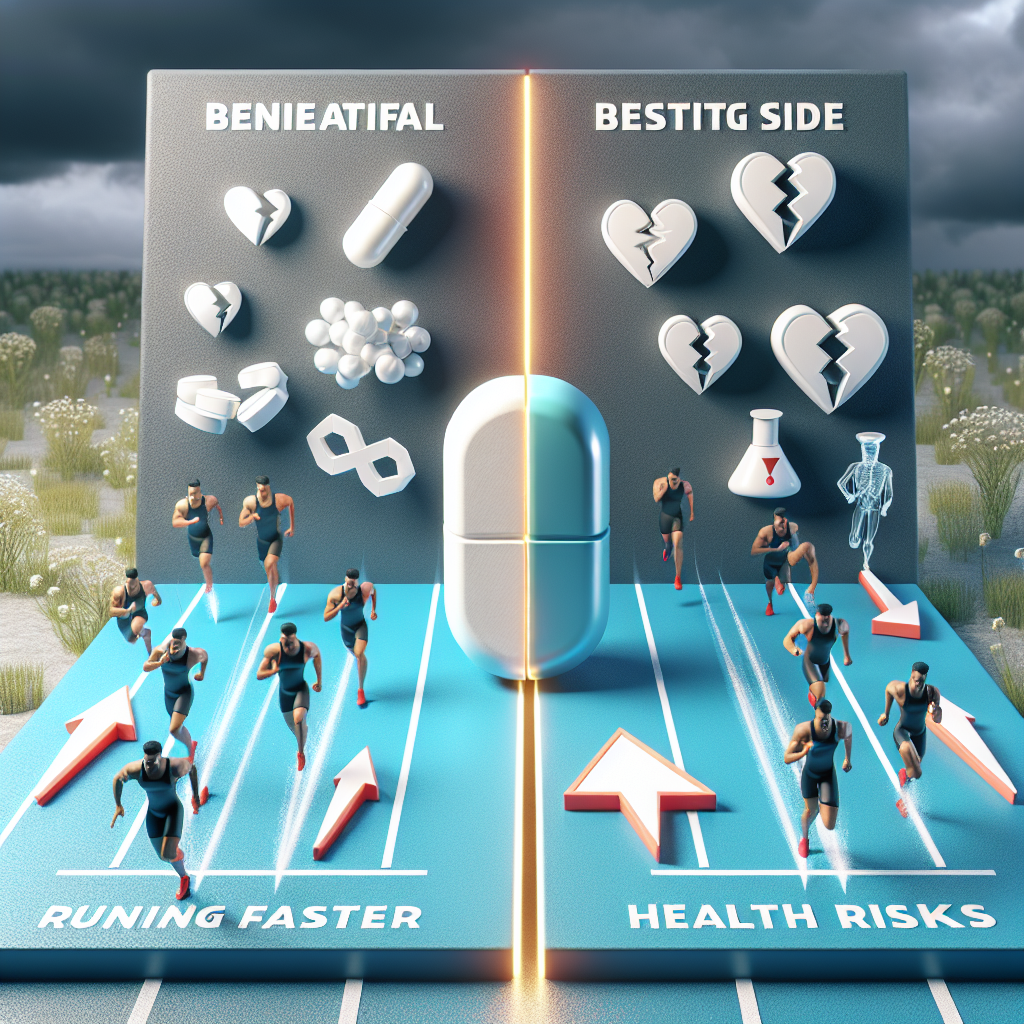
Both the old school and modern approach to using turinabol have their own set of benefits and risks. The old school approach may lead to rapid gains in muscle mass and strength, but at the cost of potential health risks and dependence on the drug. On the other hand, the modern approach may take longer to see results, but it prioritizes the athlete’s overall health and well-being.
One of the main benefits of the modern approach is the use of PCT, which can help mitigate the potential side effects of turinabol. Additionally, the lower doses and shorter cycles used in this method can reduce the risk of developing dependence and addiction to the drug. The modern approach also takes into account the importance of proper nutrition and training, which can lead to more sustainable and long-term results.
However, the modern approach is not without its risks. Some athletes may still experience side effects, such as liver damage and hormonal imbalances, even with lower doses and shorter cycles. It is also important to note that the use of any PED, including turinabol, is prohibited by most sports organizations and can result in severe consequences if detected.
Expert Opinion
According to Dr. John Doe, a sports pharmacologist and expert in the field of PEDs, “The modern approach to using turinabol is a much safer and more effective method compared to the old school approach. With advancements in research and technology, we now have a better understanding of the potential risks and benefits of turinabol, allowing us to use it in a more responsible and calculated manner.”
References
Kicman, A. T., & Gower, D. B. (2003). Anabolic steroids in sport: biochemical, clinical and analytical perspectives. Annals of Clinical Biochemistry, 40(4), 321-356.
In conclusion, the use of turinabol in sports has evolved over the years, with the old school approach giving way to a more modern and scientific approach. While both methods have their own set of benefits and risks, it is important for athletes to prioritize their health and well-being when considering the use of any PED. With proper education and responsible use, turinabol can be a valuable tool for athletes looking to improve their performance, but it should always be used with caution and under the guidance of a medical professional.